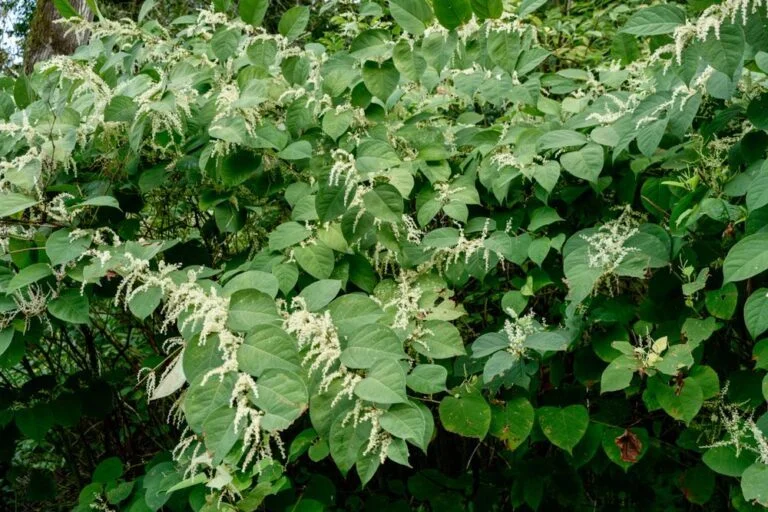
Japanese Knotweed is one of the most notorious and problematic invasive plant species worldwide and is widespread throughout the United Kingdom.
Originally introduced in the United Kingdom as an ornamental plant in 1850, it has since spread rapidly, affecting land values, property values and the biodiversity of the areas that Japanese knotweed is located. The plant’s resilience, aggressive growth and ability to thrive in various environments makes it a formidable opponent to land owners, property owners, businesses and the community.
Japanese knotweed is a perennial plant, which in simple terms means that it lives for more than two years. The plant thrives between early spring and late summer when it will reach its peak growth. The plant doesn’t react well to the winter and during the first hard frost the plant will shed its leaves and become dormant until the following spring when the growth cycle will resume.
What Does Japanese Knotweed look like?
Early Spring
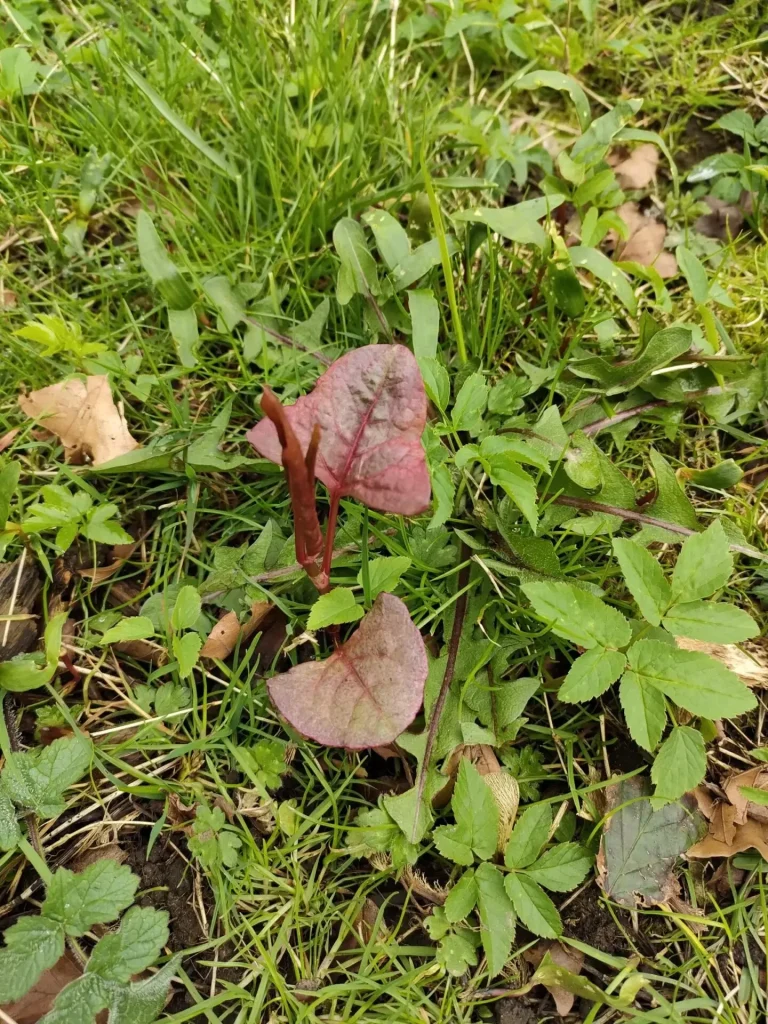
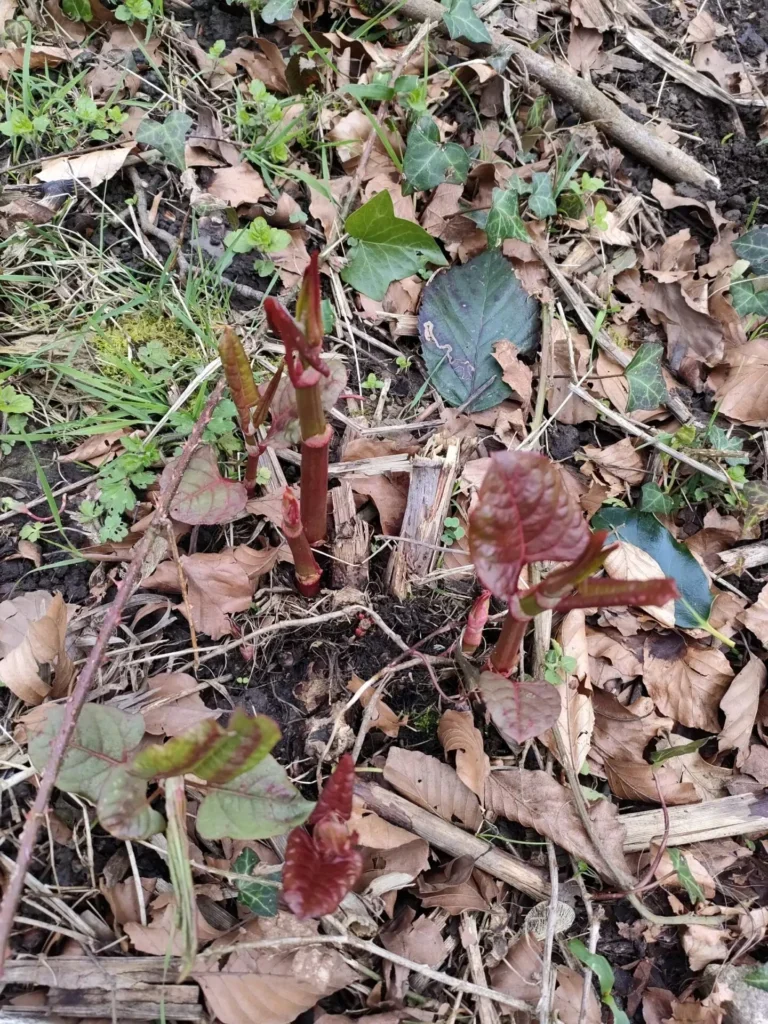
The initial growth that is visible above ground will take place in March / April and displays red and purple shoots that looks very similar to an asparagus
Early Summer
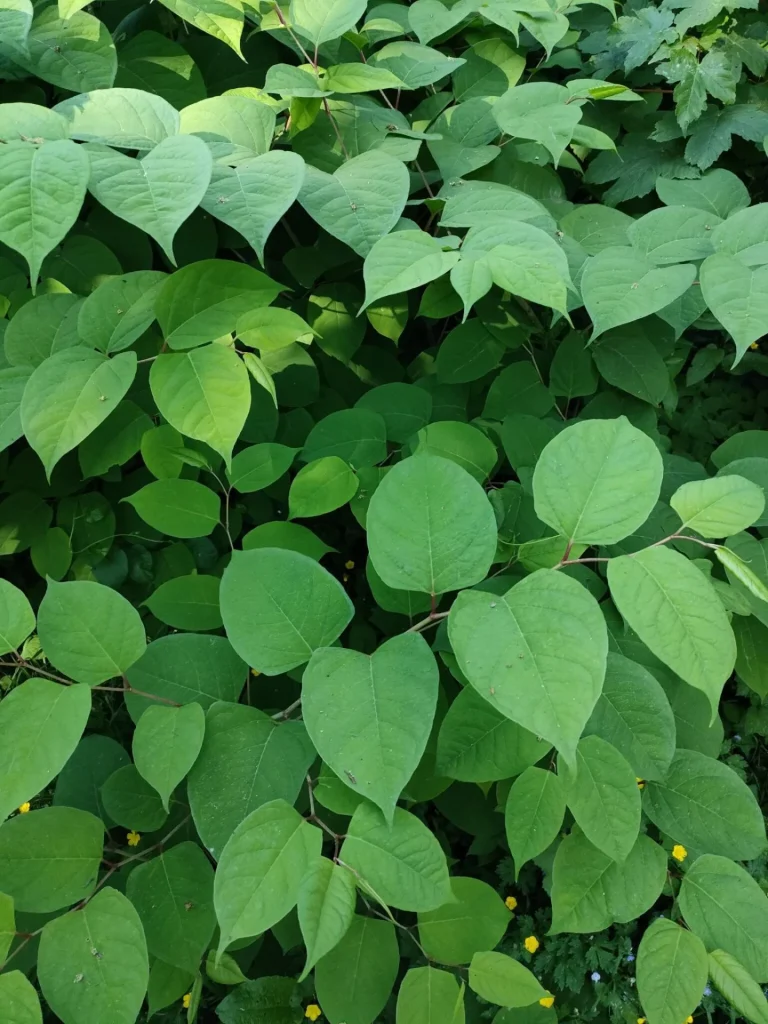
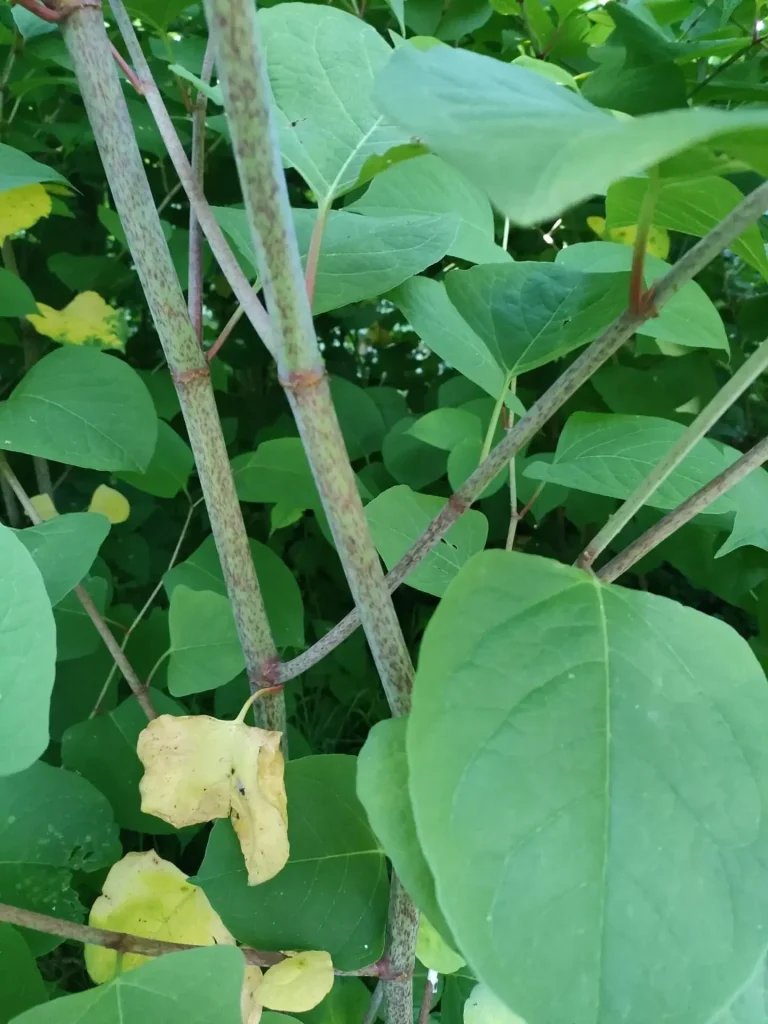
During the early summer months the plant develops extremely rapidly and can grow up to 10 cm a day. The stems become strong and resembles bamboo shoots and the leaves form in a zig zag pattern from the stem. The stem has a distinct pink and purple blemish and the leaves form in a lush green colour with a shield shape.
Late summer
At the peak of growth the plant can grow up to 3.5 metres tall and during the late summer months a creamy white coloured flower develops.
Speak to us about your Japanese knotweed and invasive plants issue
If you think you have Japanese Knotweed on your land or near to you property, or if you’re unsure and would like some advice from us then get in touch and send a picture